8 mins read
Does Website Speed Affect SEO?
Share Article :


In this blog, you will learn how website speed affects SEO, why Google considers performance important, and how slow loading times impact user experience, rankings, and conversions. You’ll also discover common reasons websites become slow and practical ways to improve website performance with tools like SpeedyGo.
The internet has changed one thing forever: people no longer wait.
- We skip ads.
- We abandon long queues.
- We close tabs that hesitate.
- We expect answers instantly.
Your website is competing in that reality.
And the fastest way to lose a customer is to make them wait.
And when enough people do that, Google notices.
That’s why website speed isn’t just about shaving milliseconds off your loading time. It’s about protecting your visibility, your credibility, and every opportunity your website has to turn a visitor into a customer.
The impact of website speed on SEO
Google’s goal has never been to rank the fastest website. Its goal is to rank the website that provides the best experience for users. Speed is simply one of the strongest signals of that experience.
Think about it.
When a website loads quickly:
- Visitors stay longer.
- They explore more pages.
- They interact with your content.
- They’re more likely to convert.
But when a website is slow:
- Visitors leave before the page fully loads.
- Bounce rates increase.
- Engagement drops.
- Conversions decline.
- Search engines receive signals that users aren’t having a great experience.
Website speed doesn’t just influence your rankings directly; it also affects the user behavior that helps determine them.
| SEO Factor | Fast Website | Slow Website |
| User Experience | Smooth and enjoyable | Frustrating and slow |
| Bounce Rate | Lower | Higher |
| Time on Site | Longer | Shorter |
| Crawl Efficiency | More pages crawled | Fewer pages crawled |
| Search Rankings | Better opportunity to rank | Can negatively affect visibility |
| Conversions | Higher potential | Lower potential |
Key Takeaway: A fast website doesn’t automatically rank #1 on Google. However, a slow website can create a poor user experience that makes ranking well much more difficult.
How does Google measure website speed?
Google doesn’t judge your website speed based on a stopwatch.
Instead, it uses a set of real-world performance metrics called Core Web Vitals to understand how visitors actually experience your website.
Think of Core Web Vitals as your website’s health report. Rather than asking, “Did the page load?”, Google asks more meaningful questions:
- Did the main content appear quickly?
- Did the page respond immediately when the user clicked?
- Did the layout remain stable while loading?
These questions are measured using three key metrics.
| Core Web Vital | What It Measures | Good Score | Think of It Like… |
| Largest Contentful Paint (LCP) | How quickly the main content appears | Under 2.5 seconds | Your food arriving at a restaurant |
| Interaction to Next Paint (INP) | How quickly the page responds when someone clicks or taps | Under 200 ms | A cashier responding as soon as you ask a question |
| Cumulative Layout Shift (CLS) | Whether the page layout stays stable while loading | Under 0.1 | Reading a book without the pages suddenly moving |
Website speed statistics that show every second counts
Over the years, studies have consistently shown that even small delays can have a significant impact on user behavior, conversions, and search performance.
Here are some statistics that put website speed into perspective.
| Statistic | What It Means |
| 53% of mobile users leave a website that takes more than 3 seconds to load. | Slow websites lose visitors before they even see your content. |
| A 1-second delay in page load time can reduce conversions by up to 7%. | Even a small delay can impact sales and lead generation. |
| Google’s recommended Largest Contentful Paint (LCP) is 2.5 seconds or less. | Faster-loading pages create a better user experience. |
| Faster websites generally experience lower bounce rates and higher engagement. | People stay longer when websites respond quickly. |
Let’s say your website receives 10,000 visitors every month.
If your website is slow and only 5% more visitors leave because of poor performance, that’s 500 potential customers you may never get the chance to engage with.
Now imagine improving your loading speed by just a couple of seconds.
Those 500 visitors could become readers, subscribers, leads, or paying customers.
That’s why website speed isn’t just about performance; it’s about protecting every opportunity your website creates.
What makes a website slow?
Here are some of the most common reasons websites become slow.
Large, unoptimized images
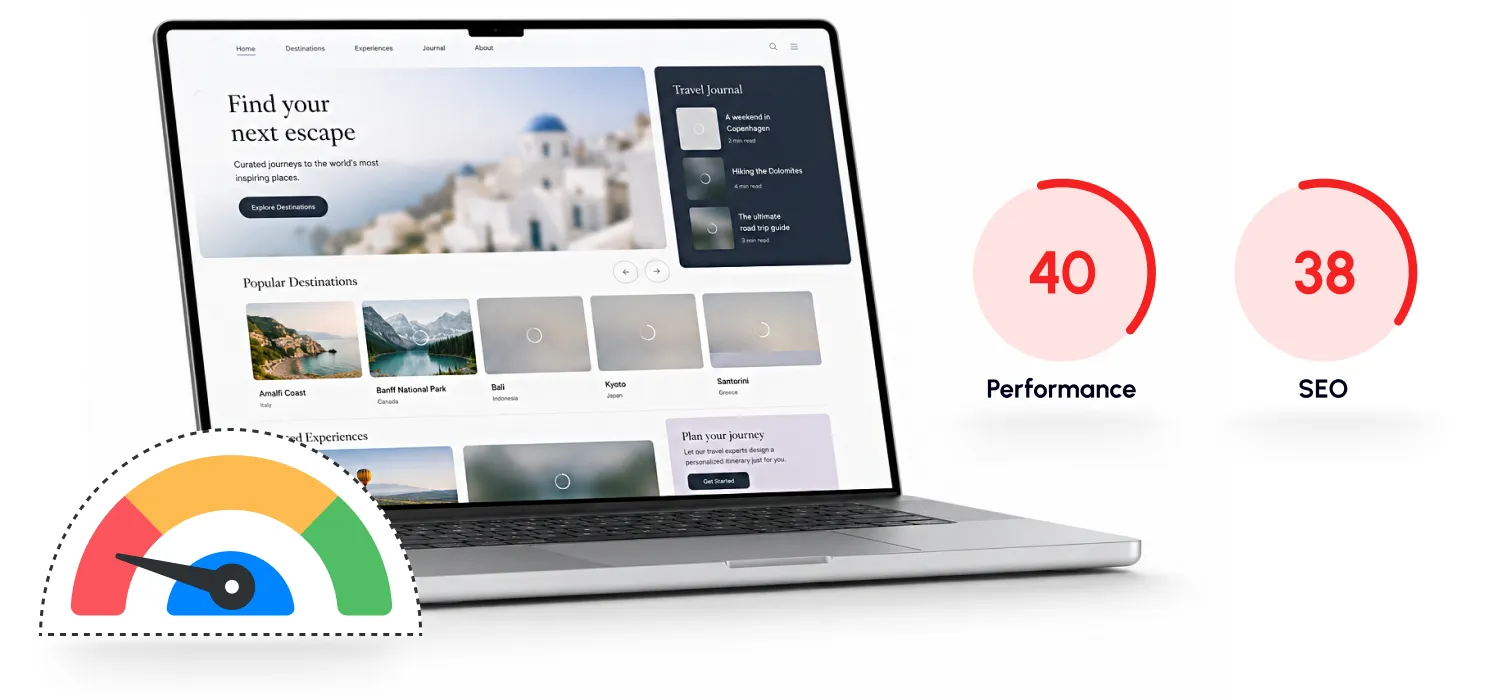
High-resolution images look great, but they can significantly increase page size if they aren’t compressed. The larger the files, the longer visitors have to wait.
Too many plugins
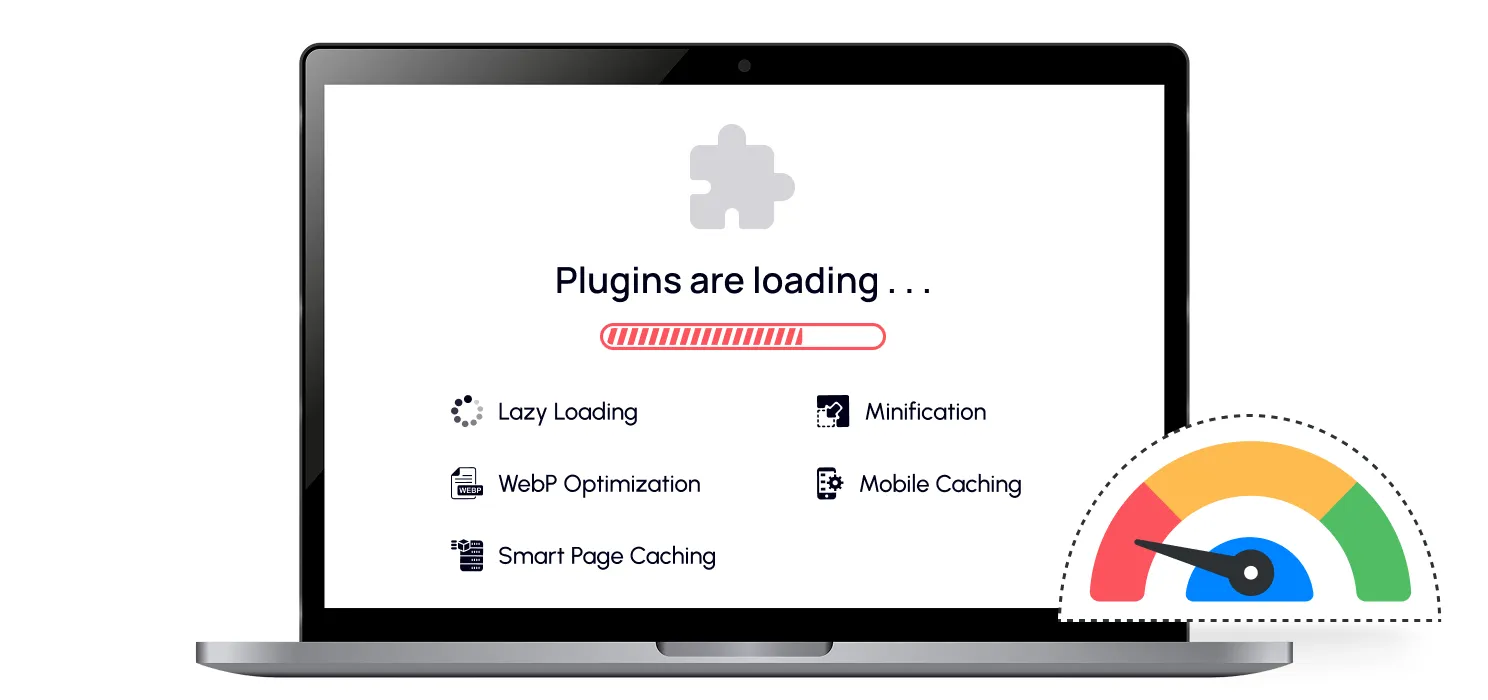
Every plugin adds extra code to your website. While plugins are useful, having too many—especially poorly optimized ones—can slow down your pages.
Slow web hosting
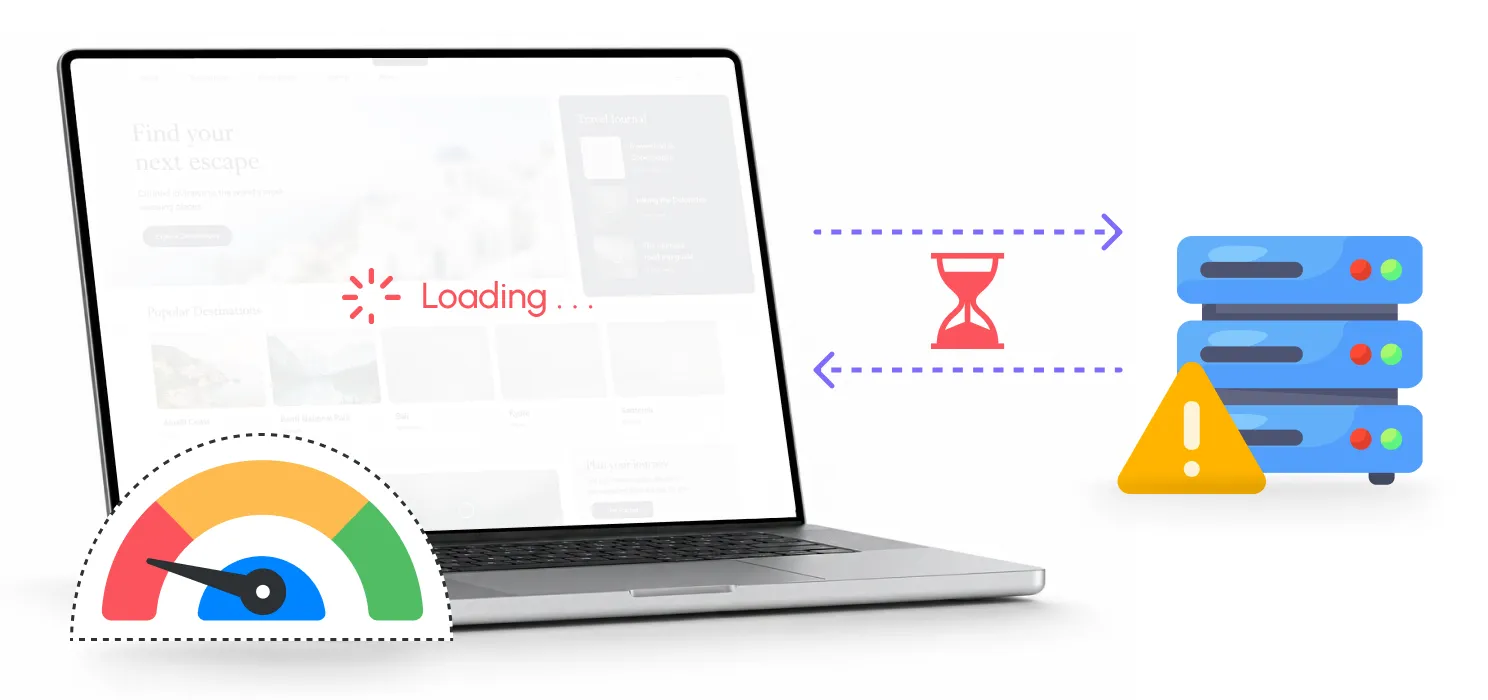
Your hosting provider is the foundation of your website. Even a perfectly optimized website can perform poorly if it’s hosted on a slow server.
Heavy CSS & JavaScript files
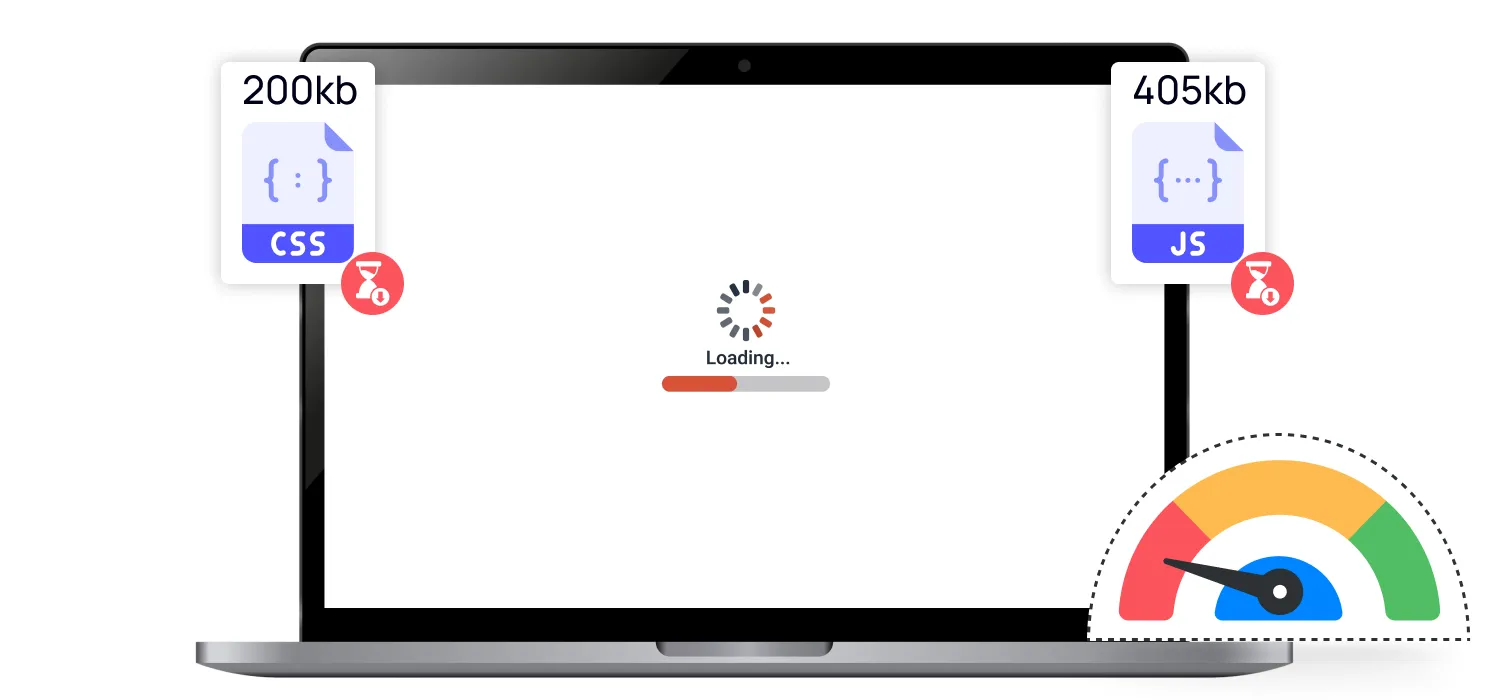
Large CSS and JavaScript files force browsers to download and process more data before displaying your website, increasing loading time.
No caching
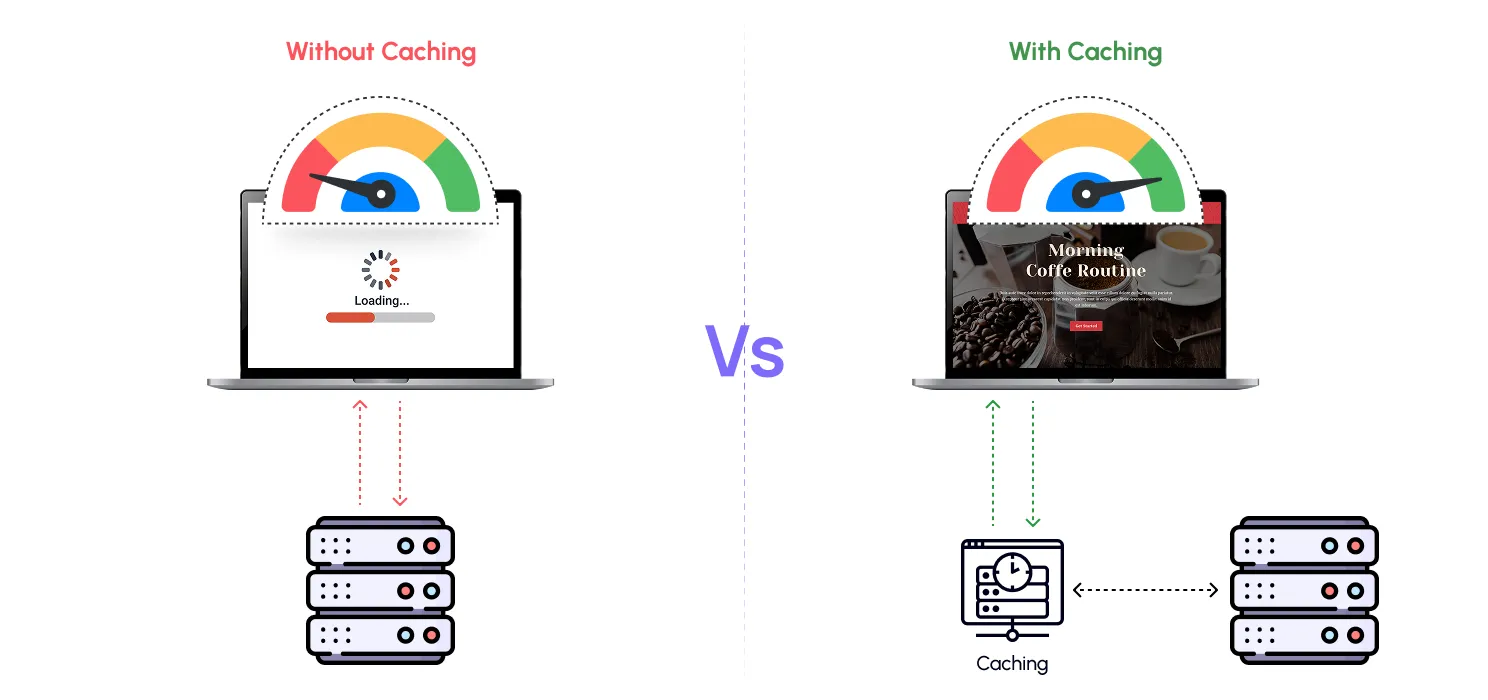
Without caching, your server has to rebuild each page every time someone visits. Caching stores a ready-to-serve version, making pages load much faster.
No content delivery network (CDN)
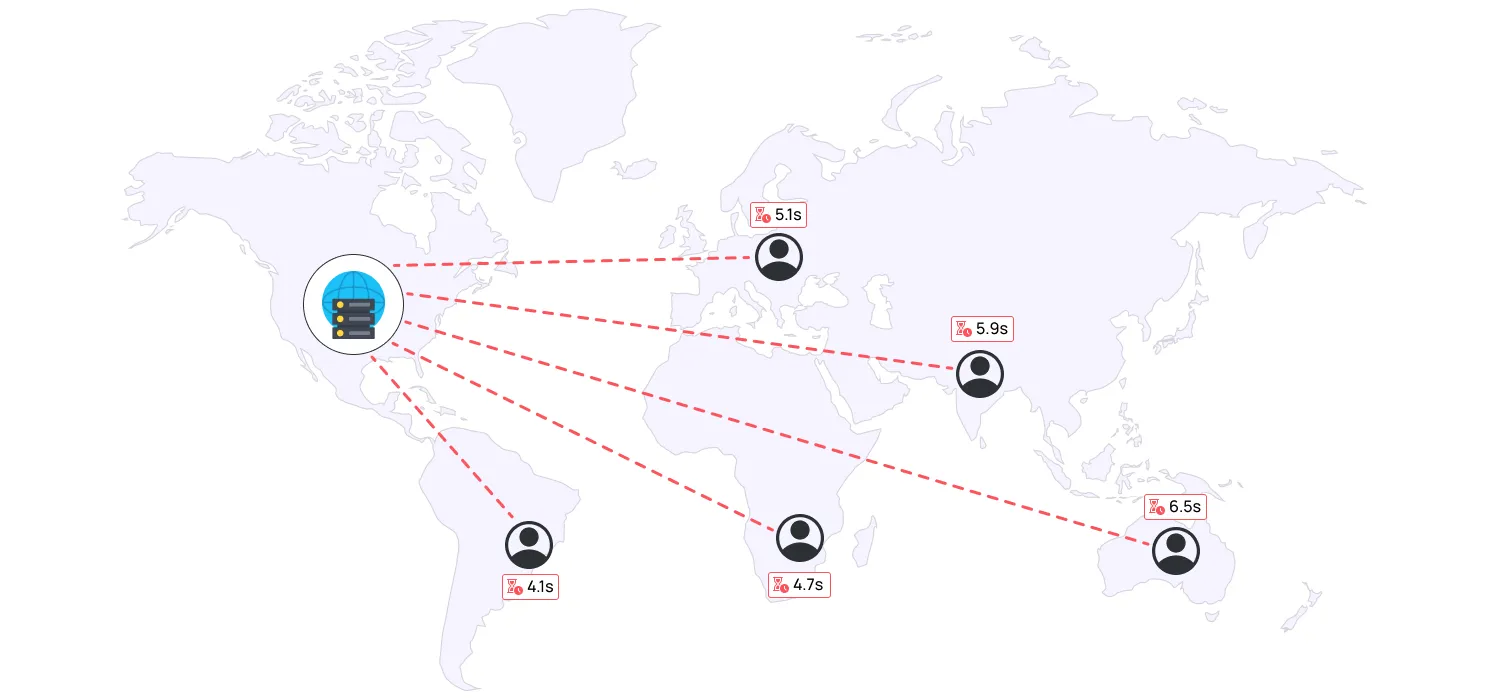
If your visitors are located far from your server, they’ll experience longer loading times. A CDN stores your website on multiple servers worldwide, reducing that distance.
Poor mobile optimization
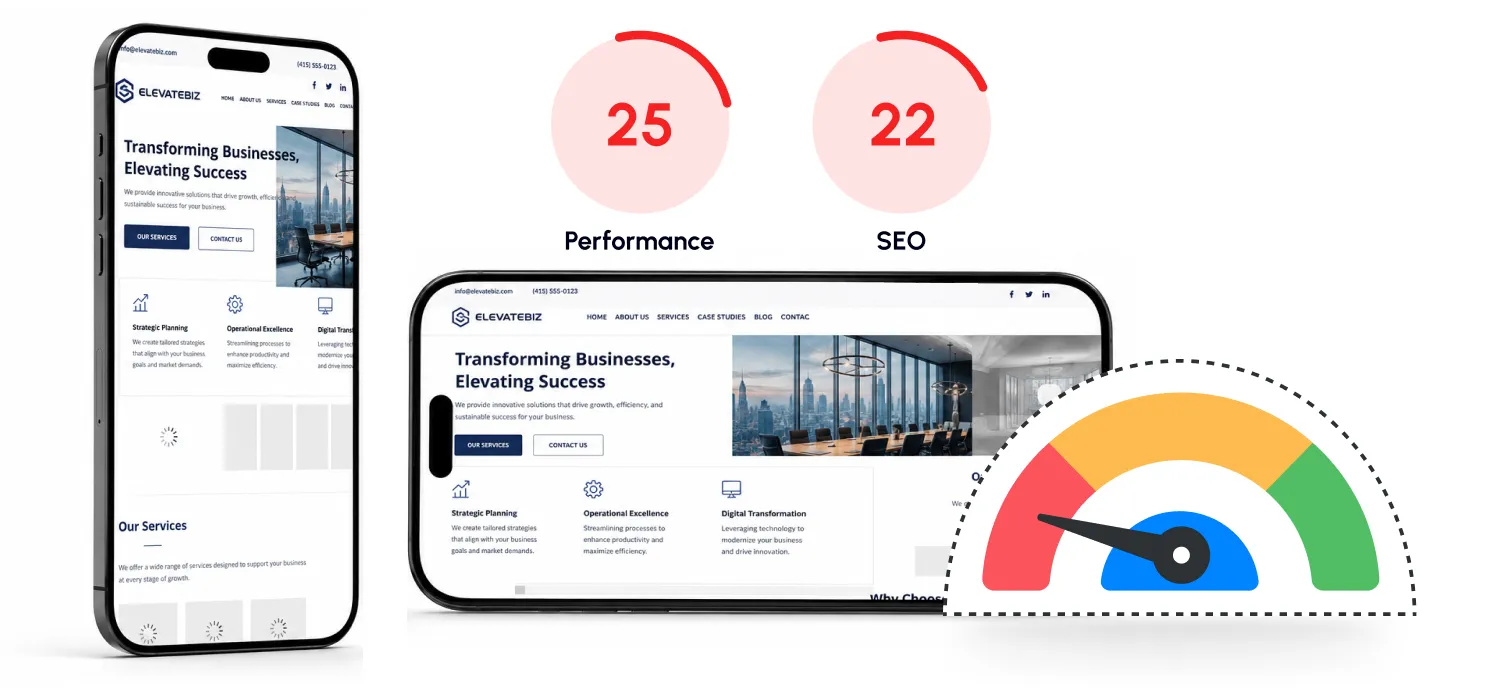
More than half of web traffic comes from mobile devices. A website that performs well on desktop but poorly on mobile can lose a significant number of visitors.
Quick website speed checklist
If your website has any of these issues, it may be slowing down your performance:
❌ Images aren’t compressed
❌ Too many WordPress plugins
❌ No browser or page caching
❌ Large CSS or JavaScript files
❌ Slow hosting provider
❌ No CDN
❌ Poor Core Web Vitals score
How SpeedyGo helps you build a faster website
By now, you’ve probably realized that improving website speed isn’t about fixing just one thing.
You need to optimize images, enable caching, reduce unnecessary code, improve Core Web Vitals, compress files, and sometimes even configure a CDN.
Doing all of that manually can be confusing, especially if you’re not a developer.
That’s exactly why we built SpeedyGo.
Instead of juggling multiple optimization plugins, SpeedyGo brings the most important performance features together in one lightweight WordPress plugin. It helps you improve your website’s speed without the technical complexity.
| Website Speed Challenge | How SpeedyGo Solves It |
| Large image files | Automatically converts images to WebP and optimizes them for faster loading. |
| No caching | Enables intelligent page and browser caching to reduce load times. |
| Heavy CSS & JavaScript | Minifies and optimizes HTML, CSS, and JavaScript files. |
| Slow page delivery | Supports BunnyCDN integration to serve content faster worldwide. |
| Poor Core Web Vitals | Helps improve performance through smart optimization techniques. |
Why website owners choose SpeedyGo
- One-click WordPress optimization
- Automatic WebP image conversion
- GZIP & Brotli compression
- Mobile-first caching
- CDN integration
- Core Web Vitals improvements
- Expert WordPress support
- Regular updates and compatibility with popular themes and plugins
The future of website speed: What businesses should expect
Website speed has already become an important part of SEO and user experience, but this is only the beginning.
As technology evolves, user expectations continue to rise. What feels fast today may feel slow just a few years from now.
Here are some trends that will shape the future of website performance.
AI will raise the standard
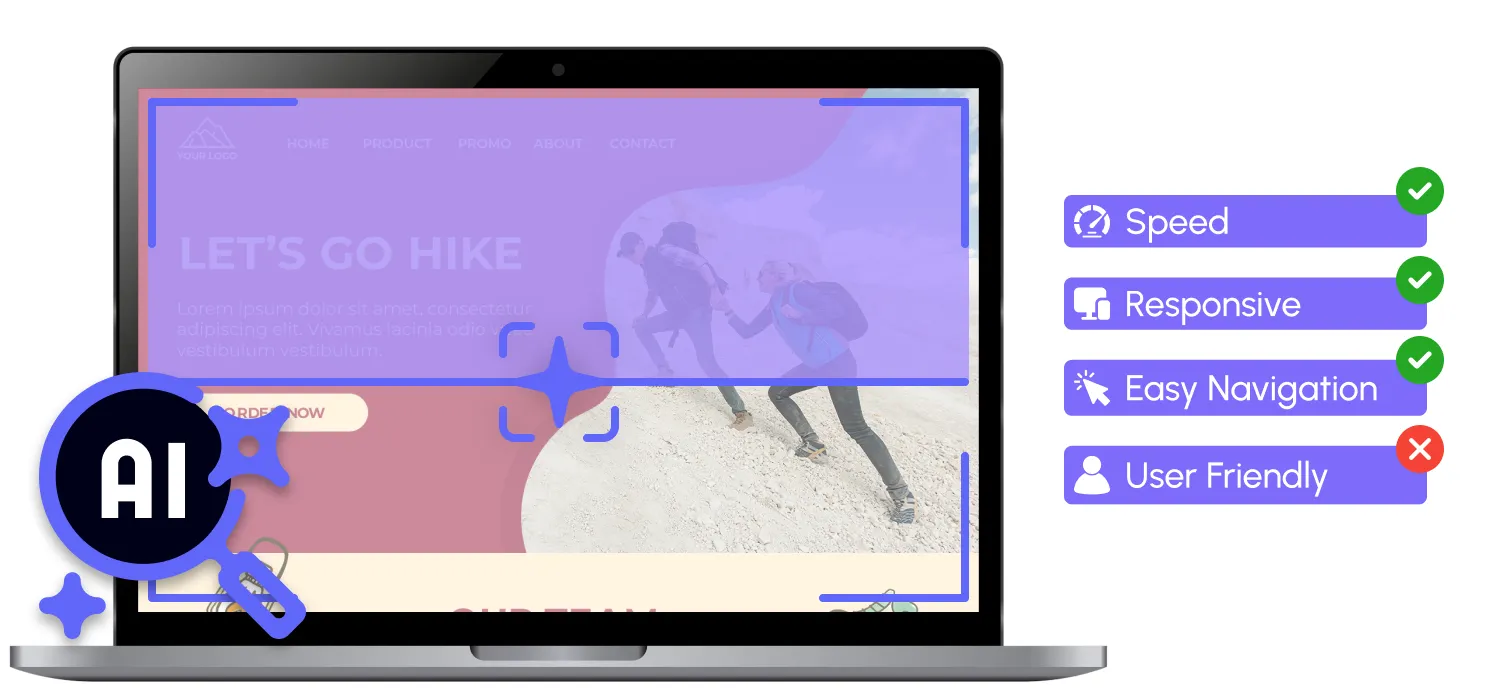
AI-powered search engines are becoming better at understanding user experience. Websites that are fast, responsive, and easy to navigate will have a stronger chance of standing out in AI-driven search results.
Mobile will continue to dominate

With most internet traffic already coming from mobile devices, businesses can no longer afford to optimize only for desktop users. Mobile performance will continue to play a critical role in SEO and customer satisfaction.
User patience will keep shrinking

Years ago, waiting five or six seconds for a website to load was common.
Today, many users expect pages to load almost instantly.
As internet speeds improve, people won’t become more patient—they’ll expect websites to become even faster.
Performance will become a competitive advantage
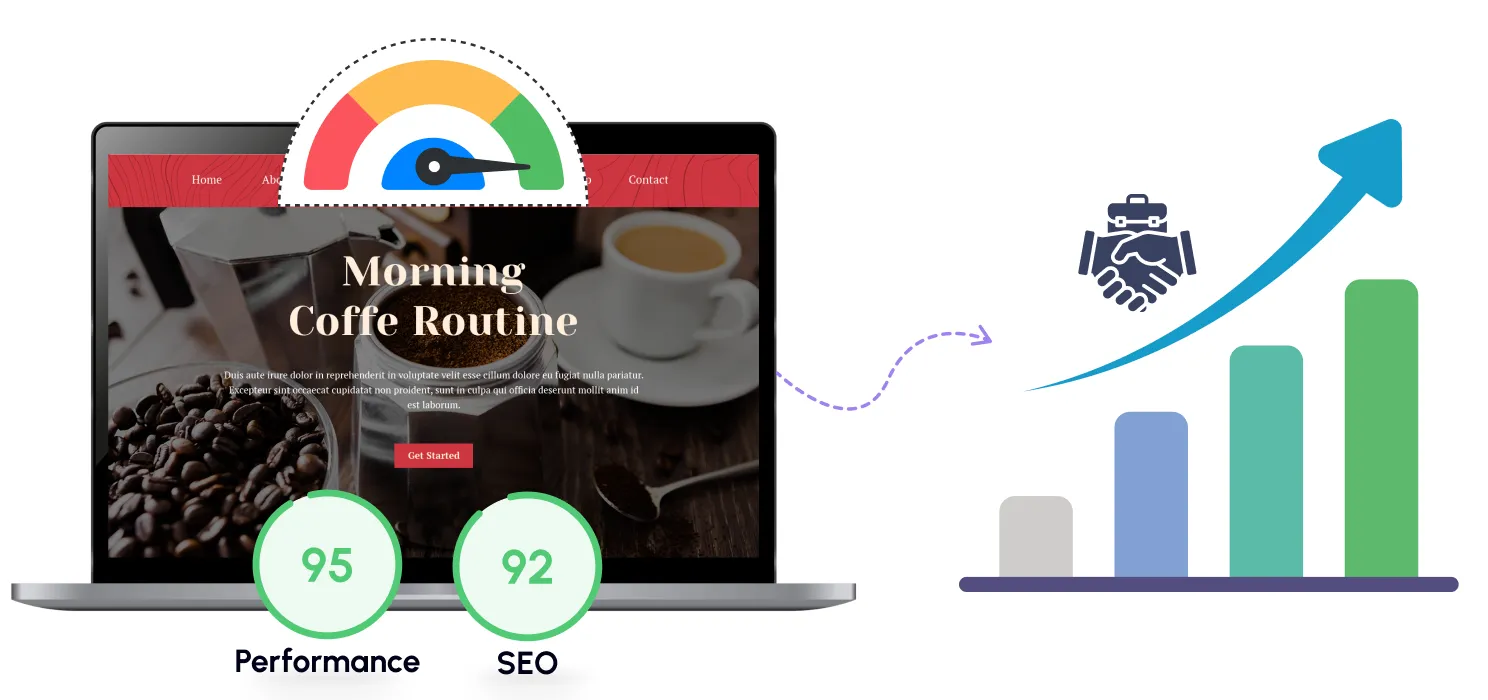
In industries where businesses offer similar products, services, or pricing, website speed can become the deciding factor.
A faster website often creates a better first impression, keeps visitors engaged longer, and has a greater chance of converting them into customers.
| Our prediction Over the next few years, website speed will no longer be viewed as just another SEO ranking factor. It will become a key part of the overall customer experience. Businesses that invest in performance today will be better prepared for future search algorithms, evolving user expectations, and increasingly competitive online markets. The websites that win tomorrow won’t just have the best content; they’ll deliver it the fastest. |
Conclusion
Website speed isn’t just about loading pages faster; it’s about creating better experiences.
A faster website keeps visitors engaged, builds trust, improves conversions, and gives your SEO a stronger foundation.
The best part? You don’t need to optimize everything manually. With the right tools, improving your website’s performance can be simple.
If you’re using WordPress, SpeedyGo makes it easy to optimize your site with features like caching, image optimization, code optimization, and Core Web Vitals improvements, all in one lightweight plugin.
Because every second you save today could become a customer you keep tomorrow.
See what fast feels like
Start free, no credit card needed — or pick the plan that fits your site.